คนต่างภาษาวัดโพธิ์
โคลงภาพคนต่างภาษา
โดย อรวรรณ ทรัพย์พลอย
นักอักษรศาสตร์ชำ นาญการพิเศษ สำ นักวรรณกรรมและประวัติศาสตร์ กรมศิลปากร กระทรวงวัฒนธรรม
--------------------------------------
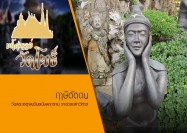
เรื่องโคลงภาพคนต่างภาษา เป็นหนึ่งในจารึกวัดโพธิ์ที่พระบาทสมเด็จ พระนั่งเกล้าเจ้าอยู่หัว รัชกาลที่ ๓ ทรงพระกรุณาโปรดเกล้าฯ ให้ปลูกฝัง ความรู้แก่ราษฎรในช่วงเวลาที่สังคมไทยกำ ลังเปิดประตูการค้ากับคน ต่างชาติต่างภาษา จึงเป็นภาพสะท้อนถึงความสัมพันธ์ระหว่างไทย กับนานาชาติ เหตุนี้ โคลงภาพคนต่างภาษาจึงเป็นการประมวลความรู้ เกี่ยวกับกลุ่มคนชาติต่างๆ นับได้ว่าเป็นงานเขียนเชิงชาติพันธุ์วรรณนา (ethnography) ชิ้นแรกของไทย
กล่าวได้ว่า หนังสือชุด ภูมิศาสตร์วัดโพธิ์ (มีจำ นวน ๓ เล่ม) ของ กาญจนาคพันธุ์ (คือ ขุนวิจิตรมาตรา นามเดิมว่า สง่า กาญจนาคพันธุ์) เป็นงานบุกเบิกรุ่นแรกที่ศึกษาค้นคว้าเกี่ยวกับโคลงภาพคนต่างภาษา ซึ่ง ผู้เขียนได้สอบค้นถึงภูมิหลังของคนต่างภาษา ทั้ง ๓๒ ชาติ ตั้งแต่ต้นจนถึง สมัยที่มาเกี่ยวข้องกับไทย ผู้อ่านจะได้อรรถรสทั้งทางด้านประวัติศาสตร์ วัฒนธรรม ขนบธรรมเนียมประเพณีต่างๆ ถือเป็นงานค้นคว้าที่มีคุณค่า และยังประโยชน์ต่อการศึกษาค้นคว้าของอนุชนรุ่นหลังอยู่มาก
โคลงภาพคนต่างภาษา จารึกเป็นโคลงจำ นวน ๖๕ บท ว่าด้วย ชนชาติต่างๆ รวม ๓๒ ภาษา ประกอบรูปหล่ออยู่ตามศาลาราย จำ นวน ๑๖ หลัง โคลงภาพคนต่างภาษา ๑ ชาติ ประกอบด้วยโคลง ๒ บท อธิบายถึงลักษณะเอกลักษณ์ของแต่ละชาติภาษา ทั้งลักษณะการแต่งกาย (เสื้อผ้า เครื่องประดับ ทรงผม) รูปร่างเชิงกายภาพ (ผิวขาว ผิวดำ หรือ ผมหยิก) ความรู้ความสามารถ (เชี่ยวชาญการเดินเรือ การเดินป่า) ความเชื่อ หรือศาสนา (พุทธ คริสต์ อิสลาม) ถิ่นที่อยู่อาศัย และภูมิอากาศ ตลอดจน ลักษณะพิเศษบางประการเกี่ยวกับขนบธรรมเนียมประเพณีของชาติ เหล่านั้น
โคลงภาพคนต่างภาษา ประกอบด้วยผู้แต่ง จำ นวน ๑๕ คน คือ
๑. กรมหมื่นนุชิตชิโนรส
๒. จ่าจิตรนุกูล
๓. พระญาณปริยัติ
๔. ขุนธนสิทธิ์
๕. พระมุนีนายก
๖. กรมขุนเดชอดิศร
๗. กรมหมื่นไกรสรวิชิต
๘. หลวงชาญภูเบศร์
๙. ขุนมหาสิทธิโวหาร
๑๐. พระสมบัติบาล
๑๑. พระยาบำ เรอบริรักษ์
๑๒. หลวงศรีอัศวเดช
๑๓. ปลัดวัดโมลีโลก
๑๔. พระเทพกระวี
๑๕. หลวงลิขิตปรีชา
เนื้อหาของโคลงภาพคนต่างภาษาเป็นการพรรณนาถึงคนชาติ ภาษาต่างๆ รวม ๓๒ ภาษา ทวีศักดิ์ เผือกสม ได้ศึกษาวิจัยและสรุปความ เกี่ยวกับโคลงภาพคนต่างภาษาใน คนแปลกหน้านานาชาติของกรุงสยาม ดังนี
๑. สิงหฬ : ตำ นานการตั้งเมืองของชาวสิงหล, สวมใส่เสื้อผ้า สีขาวล้วน และใช้ผ้ายาวถึง ๒๐ ศอก [กรมหมื่นนุชิตชิโนรส]
๒. ไทย : อยู่เมืองอโยธยาที่ยิ่งใหญ่น่าเกรงขาม, สวมใส่เสื้อผ้า งดงาม ราวกับมีเทวดามาตัดเย็บให้, สวมเสื้อสวยงาม นุ่งผ้า “ปูม” คาดพุง และอะไรๆ ก็ดูดีไปหมด [กรมหมื่นนุชิตชิโนรส]
๓. กะเหรี่ยง : สวมเสื้อ, สวมสร้อยลูกปัด, เป็นคนรักษา/ตรวจด่าน (ชายแดน), บ้านเรือนอยู่ตาม “ตรอกห้วย หุบดง” [จ่าจิตรนุกูล]
๔. อาฟริกัน : ผมหยาบหยิก-ผมเงาะ (หัวพริกหยิกหยาบเผ้า ผมเงาะ), ปากแสยะยิงฟัน ดูน่า “ขัน” เป็นบ้า “เบื้อ”, ถิ่นฐานบนเกาะแอฟริกา, ผิวดำ เป็น “เขม่า” เป็นพวก “โฉดชาติ”, สวมกางเกงลาย “สุหรัด” ใส่เสื้อ สีขาว, พับผ้าเช็ดหน้าเป็นจีบ “คาดเอว”, สวมเครื่องแต่งกายไม่แยกเพศ [จ่าจิตรนุกูล]
๕. ดอดชิ [Dutch] : เชี่ยวชาญการเดินทะเล, นับถือพระเยซูคริสต์ ซึ่งเชื่อกันว่าเป็นผู้สร้างโลก (ลัทธิมั่นเหลือจน สุดมล้าง), สวมเสื้อกางเกง เหมือนคนอังกฤษ, อยู่เมือง “เนื่องวิลันดาฟาก ใต้แฮ”, เชื้อชาติ “ดอดชิ” [พระญาณปริยัติ]
๖. อิตาเลียน : เครื่องแต่งกายเหมือนคนอังกฤษ, “ทำ เนียบเทียบ เชื้อใช้ เช่นกัน”, ประเทศอยู่ทางใต้ของดินแดนชายฝั่งตะวันตก, ไพร่พล ห้าวหาญ [ขุนธนสิทธิ์]
๗. ฝรั่งเศส : สวมเสื้อดำ มีอินทรธนูทอง, กางเกงกลัดกระดุม เคลือบทอง, ห้อยนาฬิกา, ประเทศอยู่ใกล้เคียงกับอังกฤษ, บ้านเมืองของ “ฝรันชิ” [France] ใหญ่โตมาก, มีทหาร “ซิบป่าย” [Sepoy?] รักษาด่าน, มีประชากรจำ นวนมาก [พระมุนีนายก]
๘. ยิบเซ็ดอ่าน [Egyptian?] : ธรรมเนียม (ทำ เนียบทำ นอง) แบบ เดียวกับคนอังกฤษ, สวมเสื้อใส่หมวก “พลิกแพลงแปลงยักดัด ประดิษฐ์แฮ”, อาศัยอยู่ใน “ทวีปแว่นแคว้นใต้ ตํ่าชวา (?)”, ชำ นาญการเดินเรือ, เป็นพวกมิจฉาทิฐิที่เห็นว่าโลกหมุนรอบดวงอาทิตย์ (ทฤษฐิสาหัสเห็น กระด้าง/ ถือว่าทิวากร สถิตย์ที่ เดียวพ่อ / แผ่นภพหมุนคว้างปิ่ม ปั่นไน) [ขุนธนสิทธิ์]
๙. สะระกาฉวน [Saracen?] : ใจกล้าหาญ, ใช้เรือกำ ปั่น “สลุป สามเสา”, เชี่ยวชาญ-เฟื่องฟูในเรื่อง “วัดแดดดิ่ง นํ้าฟ้า”, อาศัยอยู่ใน “อินเดีย ทวีป” ที่เมือง “สระกาเซียเกษตร”, มีทหาร “ซิบป่าย” เพียบพร้อมด้วย ปืนรักษาป้อม [กรมขุนเดชอดิศร]
๑๐. ยี่ปุ่น : ไว้ทรงผม “สองแหยมหยุกหยุย”, ใช้เสื้อผ้า “ต่างสี”, อาศัยอยู่ที่ “เกาะยี่ปุ่น”, ชำ นาญการช่าง “แปดด้าน” อาทิ ผลิตดาบ “เงางาม ปลาบ”, “ป้าน [นํ้าชา]”, และ “ปิ่นโต” [กรมขุนเดชอดิศร]
๑๑. อาหรับ : สวมเสื้อขาวกรอมเท้า, กางเกง “วิลาศลาย”, “จีบจะ ดัดเกี้ยวเกล้า ต่างสี”, นับถือศาสนาอิสลาม นิกายชีอะห์, ในช่วงเทศกาล “ฮุเซ็น” เปลี่ยนมาใช้เครื่องแต่งตัวสีดำ ลุยเพลิงกรีดเลือดบนศีรษะ และ “เต้นตบอกเร้าร้อง รํ่าเซ็น [ชีอะห์]” [กรมหมื่นไกรสรวิชิต]
๑๒. หรุ่มโต้ระกี่ [Turk] :ชอบกินนม - เนยวัว, ไม่กินหมู, ไว้หนวด เครา “รกรอบแก้ม”, จมูกโด่งยาว “แหลม เฟือดฟ้า”, รูปร่างสูงใหญ่ลํ่า, ใจกล้าชอบเดินทางท่องเที่ยว [กรมหมื่นไกรสรวิชิต]
๑๓. แขกปะถ่าน [Pathan] : แขกปาทานเป็นพวก “มฤจฉา ทิฏฐิ”, ชอบแต่งอูฐเที่ยวรับจ้าง, ไว้หนวดเคราดำ หนาน่ากลัว, สวมเสื้อกางเกง สีขาว, โพกศีรษะด้วยผ้าขาว “โขมพัสตร”, อาศัย “อยู่แดนดินหลี่มี โดยที่ มากนา”, นับถือศาสนาอิสลาม นิกายชีอะห์ (เซ็น) [หลวงชาญภูเบศร์]
๑๔. แขกจุเหลี่ย : นับถือศาสนาอิสลามทั้งนิกายชีอะห์และสุหนี่ (นบเซ็นเซ่นสุหนี่), โพกศีรษะด้วยผ้าขาว, สวมกางเกงใส่เสื้อลาย (ลํ้า เลขลาย), อาศัยอยู่ในเมืองมัทราส, อาศัยการรีดนมวัวขาย, กินข้าวสาลี เคล้าเนยคลุกกับข้าวเป็นอาหาร [หลวงชาญภูเบศร์]
๑๕. หรูชปีตะสบาก [Russian Petersburg] : ข้อมูลเกี่ยวกับพวก รัสเซียแห่งเมืองปีเตอร์สเบิร์กใน “แดนตวันตก” นี้ เป็นข้อมูลที่ได้มาจาก “ข่าว”, ช่วงเดือนหน้าฝนมี “ผลเห็บ” [หิมะ] ตก, เป็นเมืองที่มีภูมิอากาศ“เย็นเยือกลมไล้ย้อย”, ชาวนาใส่เสื้อ “หนังแกะ” เวลานอนก็ต้องนอนอังไฟ ถึงมุ้ง (แนบอัคคีเคียง แค่มุ้ง), แต่บางคนก็ถือเอาหนังแพะมาห่ม ซึ่งส่ง กลิ่นสาบ “เหม็น” ฟุ้ง [พระญาณปริยัติ]
๑๖. หรูช (ตาตา) [Tartar] : อาศัยอยู่ในเมืองติดกับจีน, สวมกางเกง รัดเข็มขัด, ใส่เสื้อหนังเสือ มีเสื้อนวมข้างใน กลัดกระดุมแนบตัว, สวมถุงเท้า หนังสัตว์ และใส่หมวกหนัง [พระญาณปริยัติ]
๑๗. มอญ : พวกรามัญอยู่ในเมืองหงสาวดีนี้ทำ ไว้เพื่อคน “ชมเล่น” เผื่อว่าต่อไปคนมอญจะ “ลี้ ลับหาย” ไปจากโลก, นุ่งผ้าเป็นลายตาราง (หมากรุก) เหมือนชาวอังวะ (พม่า), โพกศีรษะ ใส่เสื้อ, ชอบสักยันต์บน หลังไหล่, ชอบพลอยทับทิม [ขุนมหาสิทธิโวหาร]
๑๘. กระแซ [Shan] :ตัวสีคลํ้าเหมือนพวกพม่า, นุ่งผ้าสีขาว, ชอบ อาบว่านยา (ให้หนังเหนียว), เก่งในการไล่ล่ากวาง, ฟันแข็งแรงไม่ค่อยหัก, นิยมสักตามขา, เป็นเมืองขึ้นของภุกาม [พระสมบัติบาล]
๑๙. เงี้ยว : อยู่เมืองแสนหวี, ชอบทรัพย์สินเงินทอง ที่ไหนขายของ สินค้าก็จะแต่งกองคาราวาน “ต่าง” ไปทำ การค้า ถึงเชียงใหม่เชียงรุ้ง, แต่งตัวใส่เสื้อผ้าแบบคนจีน, ชอบกินเป็ดไก่หมูเค็ม, รัดมวยผมโพกด้วยผ้า [ขุนมหาสิทธิโวหาร]
๒๐. พม่า : ขมวดผมเหมือนคนมอญ, นุ่งผ้ารัดสะเอวแน่นหนา, สักไหล่ - พุง -ขา, ชอบสวมกำ ไลมือทั้งสองข้างซ้ายขวา, สอดแผ่นทองคำ เป็นต่างหู, ยศสูงสุดของขุนนางคือ “ตอยา” ยามออกศึกสวมเสื้อดำ หมวกดำ [พระยาบำ เรอบริรักษ์]
๒๑. ฮินดู่ : “ชาติแขก” พวกนี้ชอบไว้หนวดเคราดำ “กลบแก้ม”, แต่งกายสะอาดสะอ้านงดงาม, สวมกางเกงผ้า “มัศหรู่” ใส่เสื้อจีบเอว เป็นผ้า “ยํ่าตะหนี่” เป็นลายดอก มีผ้าคาดเอวปล่อยชายครุยข้างหน้า, ใส่หมวกปีกปักลาย [หลวงศรีอัศวเดช]
๒๒. มลายู : ใส่เสื้อ “ชนิดน้อย” โพกผ้า “ตบิด”, สะเอวคาดกริช กับหอก, นับถือศาสนาอิสลาม (เข้าสุเหร่า, อ่านมุหลุด), อาศัยอยู่ในแถบเมือง อาทิ “ยะหริ่ง แปะไพร ไทรมุหงิด” นับถือธรรมเนียมเหมือนกัน [กรมหมื่น ไกรสรวิชิต]
๒๓. พราหมณ์ฮินดู่ : ฮินดูวรรณะพราหมณ์ อันเป็นตระกูลที่พรหม “เศก” ขึ้น, สวมเสื้อผ้าสีขาวงาม, เกล้ามวยผม, เจิมหน้าผาก, ถือศีลกินบวช, สาธยายมนตร์บูชาพระศิวะทุกคํ่าเช้า, ไม่กินเนื้อสัตว์, เล่าเรียนรอบรู้ไตรเพท [ปลัดวัดโมลีโลก]
๒๔. พราหมณ์รามเหศร์ : เป็นพวก “ชาติเชื้อ รามรัฐ”, นับถือ พระศิวะ, ชำ นัญใน “ทวาทศพิธียัช ชุเวท” และเก่งในทางเวทมนตร์, นุ่งผ้าขาว มีเชิง, เกล้ามวยผม, สวมสายธุรำ ใส่ตุ้มหู, สวมเสื้อครุย, คอยทำ หน้าที่ สะเดาะเคราะห์ร้าย [พระเทพกระวี]
๒๕. จาม : เหมือนกับคนเขมร, ผิวดำ เหมือนหมึก (ผิวเพื่อนดำ ดุจหมายหมึกไส้), อาศัยอยู่บริเวณเมืองละแวก, เวลาจะฆ่าสัตว์ใช้วิธีเชือดคอ แบบอิสลาม, โพกศีรษะไม่เหมือนกับคนเขมร, ใส่เสื้อลายกระดุมถี่, นุ่งผ้าถุงยาวกรอมเท้า, เหน็บมีด/กริชที่สะเอว [ขุนธนสิทธิ์]
๒๖. ลาวยวน : เป็นคนแถวหริภุญไชย, ชอบสักขาสักพุงดำ เหมือน พวกพม่า, ใส่ต่างหูทอง “เนื้อแปด”, โพกผ้าสีชมพู, ชอบใส่กำ ไลข้อมือ ทั้งสองข้าง, “โคลงซอ” เป็นลักษณะเด่น “ตามประเทศ”, คนทั้งแก่หนุ่มชอบ “แอ่วสาว” [พระยาบำ เรอบริรักษ์]
๒๗. หุ้ยหุย : ยังไม่เคยมีใครเห็นคนพวกนี้ เป็นแต่เพียงความรู้ ที่เล่าๆ กันมาว่าอาศัยอยู่ไกลมากติดเขตแดนของคนจีน, จะเป็นพวกแขก (มุสลิม) ก็ไม่ใช่ เพราะกินหมู, สวมกางเกงคาดสะเอวด้วยผ้า “แพรหงอนไก่”, ใส่เสื้อสีแดงฉูดฉาด, สวมรองเท้าปลายงอน, ใส่หมวก “หน้าม้า” [ขุนธนสิทธิ์]
๒๘. เกาหลี : ดูคล้ายคนญวน, เป็นชาติ “แขกเกาหลี”, เกล้าผมมวย ถักเปีย (กอดเกศ), ชอบไว้หนวดเคราดก “เฟือยคาง”, อยู่ใกล้กับเมือง เทียนสิน, สวมเสื้อผ้าแต่งร่างกายงดงาม (รางชาง) นุ่งกางเกงแพรหลิน เป็นมัน “ปะปลาบ” ใส่หมวกเหมือนหมวกงิ้ว [ขุนธนสิทธิ์]
๒๙. ญวน : เครื่องแต่งกายแบบเดียวกับงิ้ว, คนที่เป็นเจ้านาย ชอบนั่งเปลหาม ถือพัด “ด้ามจิ้ว”, เป็นคนเจ้ามายาเหลือหลาย (มายา เหลือแหล่ล้น หลายลบอง), มีฝีมือในเชิงช่างไม้, ชอบกินเนื้อจระเข้, อาศัย อยู่ชายฝั่งติดนํ้า เชี่ยวชาญการเดินเรือ [กรมขุนเดชอดิศร]
๓๐. จีน : เมื่อก่อนนี้ไว้ผมมวย แล้วเปลี่ยนมาไว้ผมเปียตามพวก “ตาด”, ใส่เสื้อสวมหมวก, สวมรองเท้า “ทาบหนัง”, มีบ้านเมืองและผู้คน เยอะมาก ติดต่อไปมาถึงกันสะดวก (หมื่นเมืองมากแซ้สดวก เดินถึงกันนา), กึงตั๋งเป็นเมืองสนุกสนานตื่นตาตื่นใจสุดๆ ไม่มีที่ไหนๆ ในโลกเหมือน มีสินค้าสิ่งของน่า “พึงใจ” มากมายให้ชมดู และแม้เวลาคํ่าคืนบนท้องนํ้า ก็ยังแน่นขนัดไปด้วยเรือ [กรมขุนเดชอดิศร]
๓๑. เขมร : ผิวดำ , นับถือศาสนาพุทธ, อาศัยอยู่ในกัมพูชาทางด้าน ทิศตะวันออก และเป็นเมืองขึ้นของสยาม, นุ่งผ้า “ปูม” เหมือนผ้าลายดอก “ถมยา”, ใส่เสื้อสีคราม, คาดสะเอวด้วยแพรเยื่อไม้ของญวน, ไว้ผมทรง “กระทุ่ม” ไม่ไว้ “ไร” ผม [หลวงลิขิตปรีชา]
๓๒. ลิ่วขิ่ว : บ้านเมืองอยู่ไกลมาก “ขอบหล้าเหลือเดินถึง”, เกล้าผม มวยเหมือนผมจุกเด็ก, ผิวสีคราม (ผิวเนื้อคล้ายเคลือบคราม), ใส่เสื้อ สีหมากสุกกรอมปิดเข่า, พันผ้าโพกศีรษะ, อยู่ทางด้านทิศตะวันออก, เป็น เมืองขึ้น “จิ้มก้อง” อยู่กับจีน [หลวงลิขิตปรีชา]
อาจกล่าวได้ว่า โคลงภาพคนต่างภาษาเป็นการรวบรวมความรู้ เกี่ยวกับคนชาติภาษาต่างๆ ที่ชนชั้นนำ ของไทยรู้จัก สนใจใคร่รู้ หรือมี ความสำ คัญที่จะอยู่ในความรับรู้ของตน เป็นการขยายพรมแดนความรู้ เกี่ยวกับเชื้อชาติและภูมิศาสตร์ของชาติภาษานั้นๆ เพื่อให้ราษฎรทั่วไป ได้มีโอกาสรับรู้ถึงความเปลี่ยนแปลงของสังคมไทยที่มีความสัมพันธ์ ระหว่างประเทศกับคนต่างชาติต่างภาษาในสมัยต้นรัตนโกสินทร
๏ ทวยไทยไขษยทุกข์สิ้น เสียมสกล เกษตรเฮย
ต่างชื่นต่างชมเปรม ปราศเศร้า
พระเกียรติเกริกภูวดล เดื่องยศ ยิ่งพ่อ
ทกแหล่งทกเหล้าล้วน เลื่องฦๅ ฯ
๏ พระผดุงธรรมทศค้า ขัตติยวัตร แสวงเอย
องค์สุทัศน์จักรพรรดิคือ คู่ท้าว
อธรรมอสัตย์สลัด สละละ ล่วงแฮ
บาปสร่างบุญสร้างอค้าว ครุ่นครา ฯ
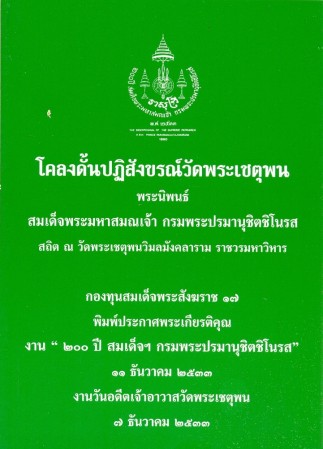
โคลงดั้นเรื่องปฏิสังขรณ์วัดพระเชตุพน
พระนิพนธ์สมเด็จพระมหาสมณเจ้า กรมพระปรมานุชิตชิโนรส
49264 VIEW | 6 ธ.ค. 61
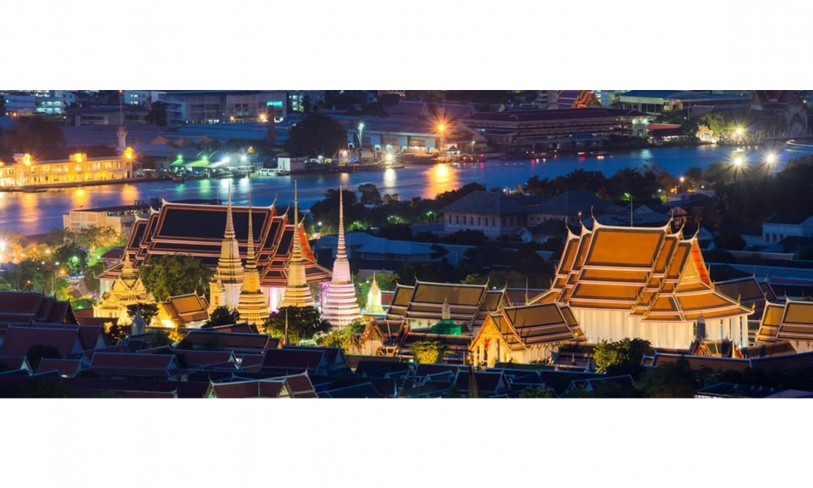
วัดพระเชตุพน
 วัดพระเชตุพนวิมลมังคลาราม ราชวรมหาวิหาร


 วัดโพธิ์









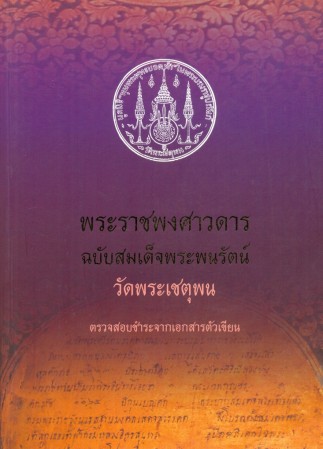
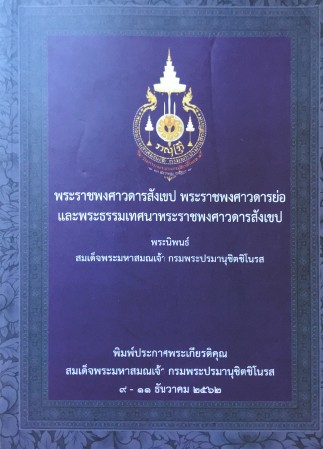
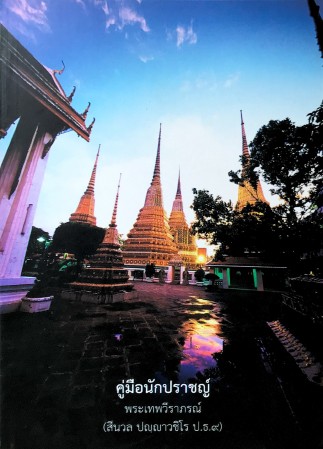
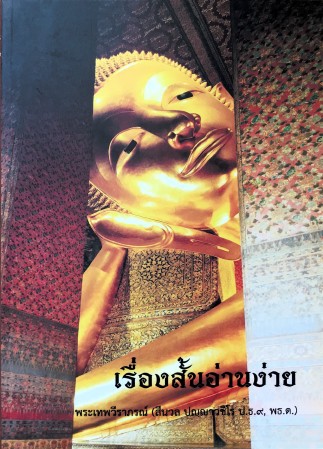
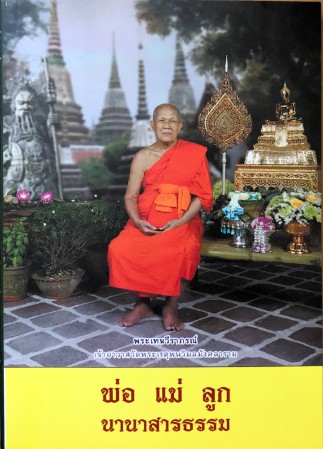
 หนังสือวัดโพธิ์




 วารสารวัดโพธิ์



 ข้อมูลสำหรับนักท่องเที่ยว
 แผนกทัศนศึกษา ฝ่ายเผยแผ่ วัดพระเชตุพน